


Friday, Feb 13, 2026
How to Decorate Your Bathroom Well Even If It's Your First Time
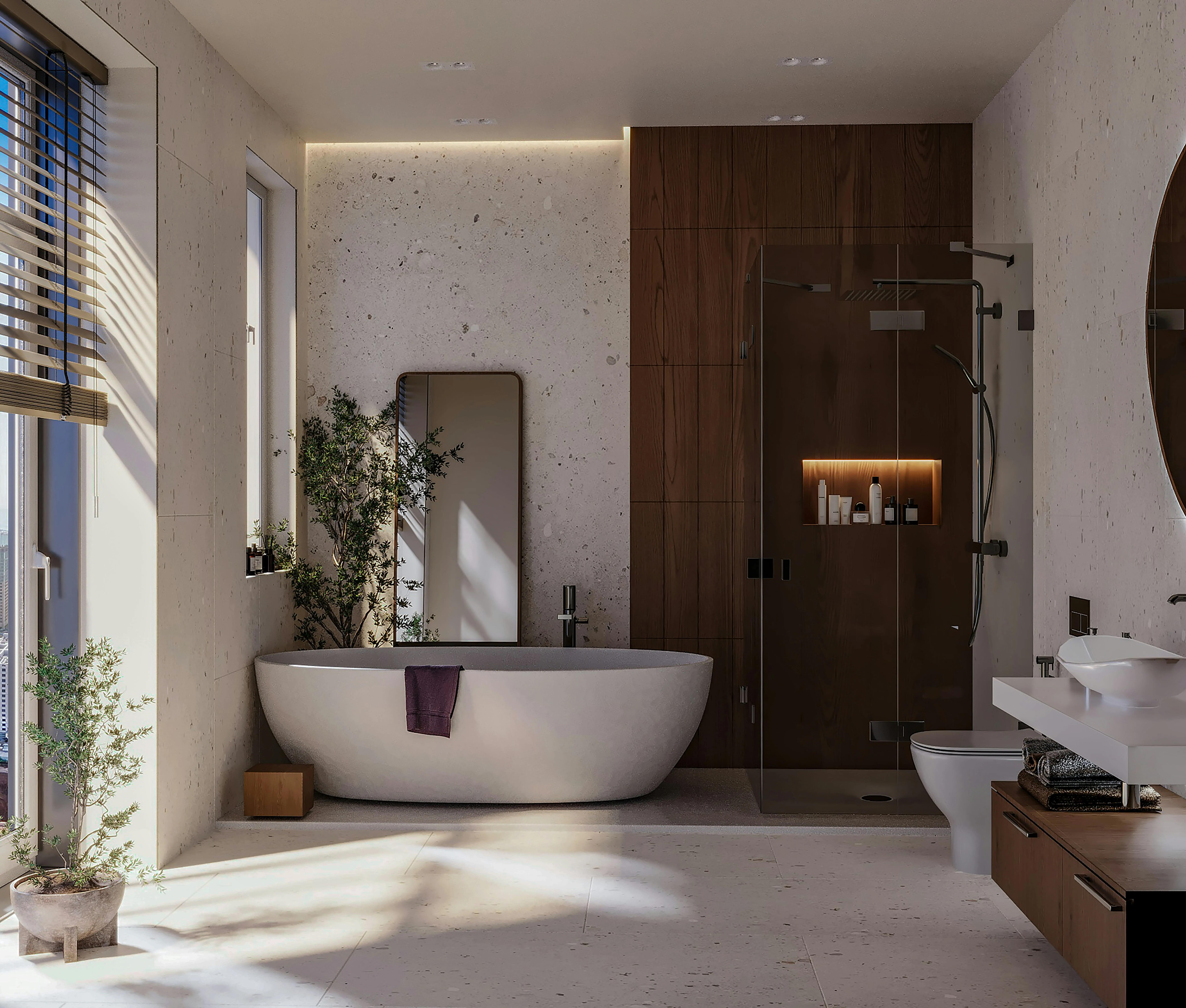
I saw a Reddit post recently that made me laugh: "I just moved in and, unfortunately, I never got the gay interior design gene 😅. I literally have no idea how to decorate. I just want my bathroom to look nice…"
That feeling of standing in your bathroom, knowing it could be better but having absolutely no clue where to start, is universal. After helping homeowners decorate bathrooms for over four years, I can tell you the good news: you don't need a design gene. You just need to avoid the specific mistakes that trip up every first-timer, and focus on the handful of changes that actually matter.
Decorating a bathroom well, especially for the first time, comes down to understanding two things: what you're actually doing, and what order to do it in. Once those are clear, the decisions get surprisingly straightforward.
Decorating a Bathroom Means Working with What's Already There, Not Tearing Things Out

Before anything else, let's be clear about what we're doing here. Renovating a bathroom means moving plumbing, replacing tiles, changing fixtures, and hiring contractors. But decorating is different, easier; it just means working with what's already there and making it look intentional. The core structures stay the same, and you're just making everything around them work better. (A little cushion so you don’t grow cold feet).
If you try something and hate it, most of it can be changed for under $300. Start there mentally, and the whole project becomes a lot less intimidating.
Start With Your Tiles and Fixtures, Then Build Around Them

Here's how most experienced homeowners start their bathroom decoration: they work from what they can't easily change toward what they can.
Your tiles are the starting point:
- If you have beige tiles on the floor, you're working in warm tones.
- If you have white subway tile, you've got a clean slate.
- If you have a blue or pink tub from the 1970s, lean into it. One Redditor put it perfectly: "Lean into the blue tub, sink, and toilet." If you paint the walls white, that colored tub will stick out like a sore thumb. Instead, find a shower curtain or wallpaper that incorporates that specific blue or pink alongside modern colors, and it’ll make what felt like an embarrassment become a design choice.
Your big fixtures come next. Specifically, the toilet, the vanity, the tub, and any other fixture in your bathroom (note their color and era). A sleek floating vanity next to a distinctly 1980s toilet will always look slightly off. You don't need everything to match perfectly, but they should feel like they belong in the same decade.
The other thing to check is how your bathroom connects to the rest of your home. If your house has a warm, minimalist feel, a heavily maximalist bathroom will throw you off every time you walk through the door. The bathroom can be a bolder version of your home's overall style, but the overall theme should match.
Tip: Save your inspiration photos alongside photos of the rest of your home on an All Things Snug mood board, and you'll immediately see whether the spaces flow together or fight each other.
Why Grey Walls Make Your Bathroom Feel Like a Prison (And What Colors Would Work Better)

The single most common mistake I see homeowners make is building the entire palette around grey tones.
Look, I get it, grey feels safe, which is exactly why around half of all first-time bathroom decorators choose it. But grey reads cold and flat under artificial lighting, and in a small space with limited natural light, it’ll quickly start to feel like a prison cell.
Note These Three Rules
- Your bathroom must have color. Colors like warm neutrals, soft greens, earthy terracottas, and muted blues all make the space feel more welcoming without being overwhelming. I recall a homeowner saying once that the green made their bathroom look smaller, but in a good, cozy, comfortable way.
- If you're set on grey, then balance it out aggressively with warm-toned textiles and wood accents, or it will feel clinical. Choose satin or semi-gloss paint finishes instead of flat or matte. The reason is simple: bathrooms are humid environments, and matte paint will show every water spot and eventually start to peel, but satin and semi-gloss resist moisture and wipe clean easily.
- If you want to add patterns without committing a lot of time and effort to it, peel-and-stick wallpaper handles bathroom humidity surprisingly well in rooms with decent ventilation (more on that in a minute). One accent wall above the tile line costs about $30-60, takes a couple of hours, and draws your eye away from dated fixtures more effectively than almost any other change.
Swap Your Lighting Before You Judge Anything Else in the Room

A single overhead fluorescent bulb often makes everything in a bathroom look terrible, and it also gets boring fast… especially as it is the default setup in most homes. I’ve found that this is the change that gets the most "holy shit, why didn't I do this sooner" reactions.
Replace your cool white bulbs with warm white ones in the 2700-3000K range (you’d immediately notice a calming difference). Warm lighting changes how you feel when you walk into the bathroom every single morning, actually giving it a sanctuary-like feeling. Multiple homeowners and renters specifically called this out as transformative. In different ways, they said that the warm lighting and a bit more texture (cozy towels, a fabric curtain, maybe a small plant) completely transformed their bathrooms.
If you can add a second light source at or near mirror height, do it. Placing lighting at eye level on either side of the mirror eliminates the harsh shadows that overhead-only lighting creates on your face. If wall sconces aren't possible, you can use an LED mirror with built-in lighting to achieve the same effect, and this is a straightforward weekend install.
The Hardware Choices That Will Cause You Regret (And the Ones That Won't)

Hardware changes often seem minor until you have to constantly see your mistake for long periods of time. Here's what the people who learned the hard way want you to know:
- Avoid black taps entirely! Limescale makes them look rubbish within months, and you'll spend every week wiping them down just to keep them from looking neglected. On the other hand, brushed nickel and unlacquered brass hold up significantly better in hard water areas.
- Avoid toilets with square or rectangular seats. When the hinges eventually fail (and they will), it's a pain trying to get a replacement because those shapes use proprietary hardware. You'll end up having to replace the entire unit. Instead, stick to standard round or elongated toilet shapes with soft-close lids.
- For cabinet pulls, towel bars, and toilet paper holders, choose one primary metal finish and use it consistently throughout. It can be chrome, brushed nickel, brass, or matte black (on everything except the taps). Try not to use too many metal tones, as they create visual noise that makes even a well-decorated bathroom feel chaotic.
Swapping hardware is a weekend project that pays off every single day, and adding matching accents to existing fixtures is one of the easiest cosmetic updates you can make.
Why You Need to Care About Your Extractor Fan (Even Though It's Boring)

This is the least sexy advice in this entire article, but it matters: make sure you have a decent extractor fan that vents outside, not one that just recirculates air. It SHOULD actually vent outside.
Without proper ventilation, everything else you do falls apart sooner than it should; your paint will peel, your wallpaper bubble, and mold will grow… You name it. This is because the room stays damp and uncomfortable. If you don't have an adequately sized exhaust fan, install one. If you have one but it's weak, upgrade it.
The Shower Curtain Trick That Makes Ceilings Look Higher

Mount your shower curtain rod as close to the ceiling as you can manage and buy a curtain long enough to reach the floor. I’ve seen too many people hanging their curtains just above the tub; I’m telling you, people, it should go from the ceiling all the way to the floor.
This one change makes the ceiling feel higher and adds a custom, dramatic quality that completely transforms how the bathroom reads. In a tiny bathroom where your knees touch the wall when you sit on the toilet, this creates the illusion of significantly more space. Both DIYers and interior design professionals alike consistently recommend this: "Take the curtains to the ceiling rather than hang them low."
Also, use a fabric curtain, not a plastic liner by itself. The texture makes the room feel less clinical and more intentional.
Storage Solutions That Don't Turn into Dust Collectors

Here's the reality check about open shelving: All I can think about with open shelving is how much dust it's gonna collect.
Open shelves look beautiful in photos, no doubt, but they collect dust and hairspray residue quickly, and you'll have to spend some time every week wiping them down if you don’t want them to get gross and gather germs.
If you go with open shelving anyway (and it does look good):
- Use baskets or uniform containers to group items instead of displaying loose products.
- Replace the generic cabinet above the toilet with real wood shelving if you want warmth, but know what you're signing up for maintenance-wise.
For radiators taking up wall space, a radiator topper cover shelf gives you a narrow ledge for decor without requiring a major install. Just make sure you leave a gap of about 20 centimeters between the radiator and the shelf to allow for proper heat dispersion, and choose materials designed to handle direct heat.
The goal for your counter is to have only the daily essentials visible: soap, maybe one or two other items. Everything else goes behind a cabinet door or in a drawer, as a clear counter makes a bathroom feel twice as large and twice as calm.
The Textiles That Actually Make a Difference in Bathrooms

Bathrooms are full of hard, reflective surfaces, such as mirrors, porcelain, tile, and glass. Without soft elements to balance them, the space feels cold regardless of how nicely it's decorated.
Cozy towels make a bigger difference than you think. I don’t mean the thin, scratchy ones, but the actual substantial towels that feel good when you use them. They add warmth to the room just hanging there, and they make the daily experience of using the bathroom significantly better.
A bamboo rug also adds natural texture and warmth without feeling precious or high-maintenance. They handle moisture well and bring organic warmth against all those hard surfaces. You can also use a fabric shower curtain (not the plastic one) to add another layer of softness.
For decorating shelves in a bathroom, keep it simple: a small plant (very necessary), a few rolled towels, and maybe one curated item. Plants genuinely thrive in bathroom humidity; a trailing pothos or a snake plant on a shelf brings a lively feeling to what could otherwise be a boring utility space.
If You're Tiling, Tile All the Way to the Ceiling

If you're in the position to add tile to your walls (or you're working with a contractor), tile all the way to the ceiling, not just halfway up the wall. The visual break at mid-height chops the room and makes it feel smaller and not so pretty. Full-height tile makes the space feel taller and more finished, and it's easier to clean because you don't have that awkward seam collecting moisture and grime.
How to Test Everything Before You Spend Money on the Wrong Thing

The most expensive first-timer mistake is buying the right thing in the wrong size or buying several things that don't work together in your actual space.
- Measure your vanity width before buying a mirror.
- Check clearance before adding shelves.
- Confirm ceiling height before ordering a curtain rod.
Use an interior design app to test paint colors against your existing tile, see how different mirror shapes read with your vanity, and check whether that shelf placement works before you drill a single hole. It turns expensive guesswork into confident decisions.
Frequently Asked Bathroom Decorating Questions
Can I put art in my bathroom?
Yes, and it's one of the fastest ways to add character. Just make sure it's either canvas or framed behind glass and sealed on the back, or steam will ruin unprotected prints within months.
How do I work with a colored tub or tile I hate?
Find a shower curtain or wallpaper that incorporates that color alongside modern ones, and make it look like a design choice (you might not stop hating it, but you’ll feel better about it).
What's the easiest first change to make?
Swap the bulbs to warm white and hang your shower curtain higher. Both take under an hour, cost under $100 combined, and immediately change how the room feels.
How do I make a tiny bathroom feel bigger?
Think large mirrors, light walls (not grey), clear floors, and a curtain hung at ceiling height. Keeping the floor visible by choosing a wall-mounted vanity or one with legs to also create the illusion of more square footage.
Should I use open shelving or closed cabinets?
Use closed cabinets if you want low maintenance, open shelving looks great, but collects dust and requires regular cleaning. If you choose open shelves, use baskets to contain the visual clutter.



Saviour Udoh
Founder, Experienced Home Decor Enthusiast
Saviour Udoh has been hands-on with DIY home projects since his teens and later founded All Things Snug to close the gap between inspiration and execution. He writes about practical design decisions that prevent overspending, layout mistakes, and regret-filled purchases.
