


Friday, Nov 21, 2025
How to Decorate a Christmas Tree Like A Pro (2025 Edition)
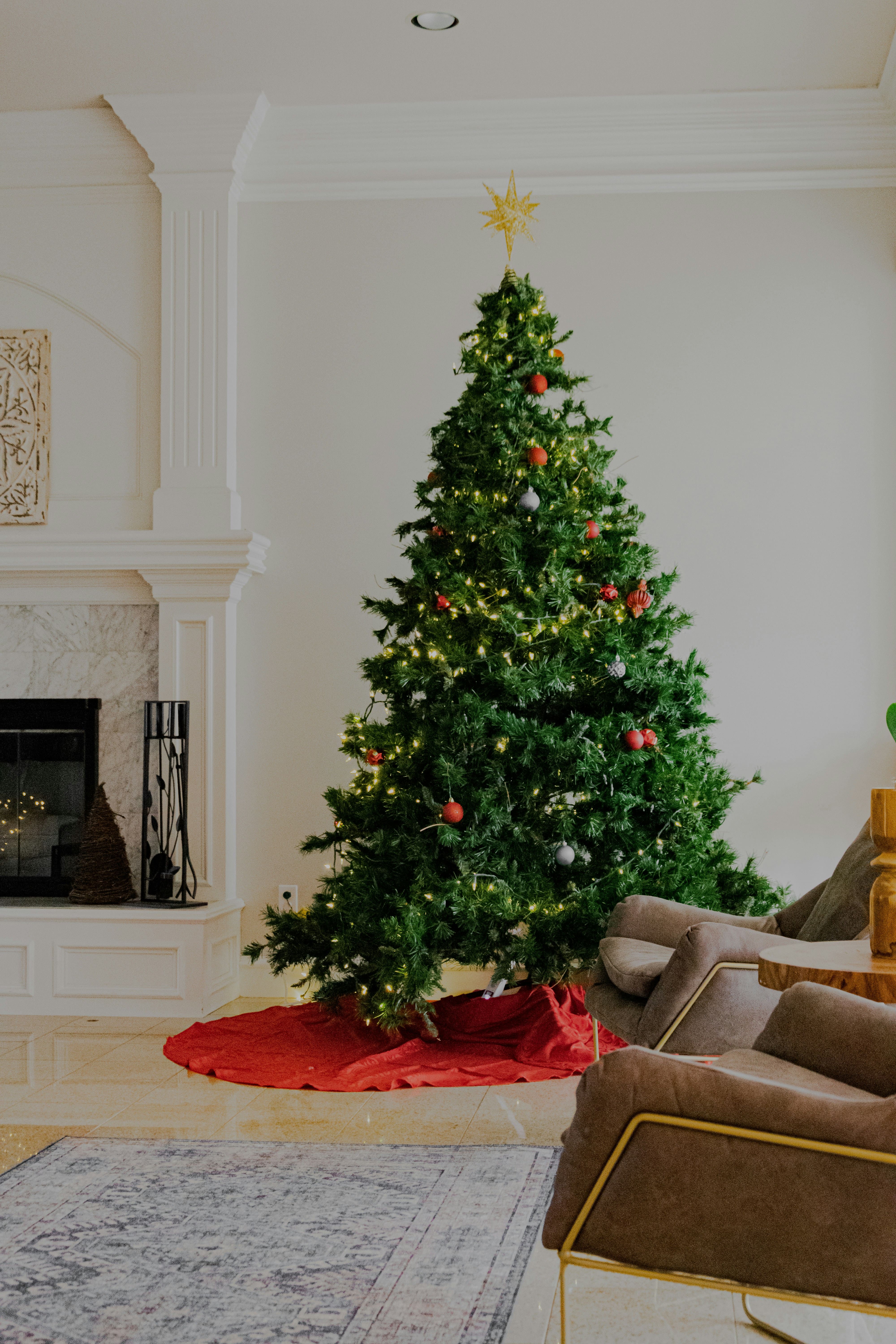
We all see very beautiful Christmas trees that seem like something out of a fairytale, and sometimes wonder: “How did they pull that off?” We’ll tell you.
Professional decorators create that layered, full appearance by following a specific sequence that most homeowners skip entirely. They fluff every single branch until the tree looks twice as full, weave lights deep into the interior, and place their largest ornaments where you'd never think to put them (buried near the trunk).
To recreate this, you need to understand the order that builds depth, the ribbon technique that adds movement, the ornament placement strategy that creates visual interest from every angle, and how everything else falls in place. This guide walks you through the exact 6-step process professionals rely on, plus specialty variations for white trees, slim trees, and garland-wrapped displays.
The Professional 6-Step Process for Christmas Tree Decorating (Yes, the Order Matters)

Professional tree decorators follow the same sequence every time because each layer builds upon the previous one. Skip any steps or change the order, and you'll end up removing decorations to fix earlier mistakes.
This is the correct sequence:
- Fluff
- Lights
- Ribbon
- Ornaments
- Topper
- Skirt
You work from the inside out and from largest elements to smallest details.
Step 1: Fluff Your Branches (The Foundation for Fullness)
If your tree looks flat or sparse, then the problem is in the fluffing. This step creates the volume and depth that makes everything else look professional. Work from the bottom up, spreading out every branch and separating each tip to create natural-looking fullness.
Here’s the professional fluffing technique:
- Start at the bottom layer and work around the entire section before moving up
- Separate each branch into a fan shape with the tips pointing in different directions
- Bend some branches upward, some downward, and some outward for natural angles
- Push the inner branches toward the trunk to hide the pole
- Step back every few minutes and take a good look to check for gaps
For artificial trees, proper fluffing can take 30-90 minutes depending on size, but this single step determines whether your finished tree looks full or starved. On real trees, trim any branches that stick out awkwardly to maintain a balanced silhouette.
Before you move to lights, use the All Things Snug interior design app to scan your living room and preview tree placement; you want to confirm your tree won't block walkways or sit in a dark corner with poor visibility.
Step 2: Weave Your Lights (Create Interior Glow)
Most people wrap lights around the outside of their tree like they're decorating a pole (don’t do this). Professional interior decorators weave lights throughout the interior of the tree to create a warm glow that highlights ornaments from within rather than just backlighting them from the surface.
The way professionals weave lights into Christmas trees:
- Start near the trunk at the point closest to your outlet (this hides the cord)
- Weave outward and upward, alternating under branches and over branches
- Push some lights deep toward the trunk, place others mid-branch
- Work in an S-pattern instead of tight circles
- When you reach the crown, weave back down toward the trunk to fill gaps
How many lights do you need? Plan for approximately 100 lights per foot of tree height for balanced coverage. A 7-foot tree would need around 700 lights for professional illumination. If you want extra sparkle, you can increase to 150 lights per foot, but the technique matters more than quantity. (classic quality over quantity).
Warm white vs. multicolor bulbs: Warm white creates an elegant, sophisticated glow and remains the dominant choice for 2025, but multicolor lights are making a comeback for homeowners embracing the 90s nostalgia (sort of like those new trending AI songs on YouTube). Test both options in your scanned room view using All Things Snug before committing to extra strands, especially since the different lighting temperatures change how your room feels entirely.
Step 3: Add Ribbon or Garland (Using the Vertical Cascade Technique)
Ribbon transforms a decorated tree into a professional-looking display by adding movement and filling visual gaps. The vertical cascading technique is the professional standard because it creates flowing elegance rather than the stiff, wrapped appearance most people accidentally create.
How to cascade ribbon like a professional:
- Cut the ribbon into 3-4 foot sections (skip continuous lengths this time)
- Tuck one end deep into branches near the top of your tree
- Let the ribbon fall naturally in loose, relaxed folds
- Tuck the ribbon again every 12-18 inches to create gentle waves
- Avoid pulling it tight, the ribbon should look effortless, not stretched
- Space the cascades every 2-3 branch clusters for uniform coverage
Wired ribbon holds its shape beautifully, which is why professionals prefer it over unwired options. For 2025, velvet ribbon in burgundy, forest green, and champagne creates a luxurious texture that makes beautiful photographs. Designer Becky Shea of Becky Shea Design notes the shift toward natural, handmade elements this season, and velvet ribbon pairs perfectly with this organic aesthetic.
Using garland instead of ribbon:
- Beaded garland: Drape in loose, wide spirals
- Greenery garland: Tuck into branches in sections instead of continuous wrapping
- Tinsel garland: A nostalgic trend returning in 2025, use it lightly for sparkle
You can layer both the ribbon and the garland, but keep your color palette complementary so the overall look stays cohesive.
Step 4: Place Your Ornaments (Size and Depth Create Dimension)
Ornaments bring personality to your tree, yes, but it’s how you place them that determines whether the final result feels balanced or cluttered. The professional strategy uses size zones throughout the tree's depth to create three-dimensional interest.
The size-based placement method:
- Large ornaments (4+ inches): Place these deep inside near the trunk to build interior depth
- Medium ornaments (2-3 inches): Distribute these throughout the mid-level branches
- Small ornaments (under 2 inches): Cluster these at the branch tips for delicate sparkle
Tips:
- Work with the largest ornaments first, placing them deep within the tree where they reflect interior lights and create the illusion of fullness.
- Then move to medium ornaments, filling the middle layer.
- Finish with small ornaments at the tips to add refinement without overwhelming the overall design.
Step back every few ornaments to check for:
- Bare areas that need filling
- Overloaded sections that look cluttered
- Color clustering that creates visual imbalance
- Uneven distribution from different viewing angles
If your tree includes sentimental ornaments with mismatched styles, place them at eye level where you'll see them daily, and use neutral ornaments (gold, champagne, white) to anchor these personal pieces so your tree still feels intentional rather than random.
Track your ornament categories and counts in our All Things Snug project notes so you'll know exactly what you have for next year, no more buying duplicates or running short of certain sizes.
Step 5: Add Your Tree Topper (Classic or Trend-Forward)
Your topper draws attention upward and completes the tree's silhouette, so choose something that aligns with your overall theme.
Popular topper options for 2025:
- Traditional star or angel (the OG)
- Oversized velvet bow (major trend this season)
- Floral or greenery spray for soft, organic height
- Minimalist approach; simple metal shapes or no topper at all
Designer Bethany Adams of Bethany Adams Interiors highlights bows as the biggest trend for 2025, noting they're "refreshingly simple and affordable" while adding luxurious texture. If your tree leans ornate, a floral spray adds soft height. For clean, modern trees, a minimalist top or no topper at all keeps the silhouette simple and lets your ornaments shine.
Secure your topper directly to the center pole (don’t rely on the branches for support) to prevent the heartbreak of a fallen topper taking decorations with it.
Step 6: Finish With a Tree Skirt or Collar
Add your tree skirt last to avoid covering it with pine needles, ornament hooks, or glitter while you're decorating. Choose a skirt that complements your color palette without competing with your ornaments.
Quick skirt selection guide:
- If your ornaments are colorful, choose a neutral skirt
- If your palette is neutral, bring in texture or subtle pattern
- Tree collars create a modern look and hide stands more effectively than fabric skirts
Arrange the skirt with intentional folds (you could spread it perfectly flat, but this creates visual texture that complements your tree's organic shape).
How to Decorate a Christmas Tree to Look Full

Many homeowners think they need a new tree to achieve magazine-style fullness, but our and other professionals rely on technique over budget.
Essential fullness techniques:
- Fluff every single branch thoroughly (this is 80% of the solution)
- Weave lights deep into the interior for dimensional glow
- Add ribbon cascades to disguise sparse spots
- Place your largest ornaments deep inside the tree
- Use decorative picks and stems (pine cones, berries, frosted branches) to fill visible gaps
If you're working with an older or naturally slim artificial tree, add extra greenery stems in matching tones to expand the profile. Position these stems smartly in the sparsest areas rather than distributing them evenly.
How to Decorate a White Christmas Tree

White trees reflect light differently than traditional green trees, so your approach should adjust slightly to maximize their unique characteristics.
What works best on white trees:
- Use jewel tones and metallics create vivid contrast (emerald, sapphire, ruby, gold, silver)
- Mix glossy and matte finishes to add texture dimension
- Use champagne and icy blue to create sophisticated, winter-elegant palettes
What to avoid:
- Using pastels; these blend into white branches and disappear entirely
- Too much white décor; this makes ornaments invisible against the tree
- Flat, single-finish ornaments as these lack the texture white trees need
White trees look especially striking with velvet ribbon because the matte softness creates instant contrast against reflective branches. The current trend toward moody burgundy and forest green velvet works almost perfectly on white trees for dramatic visual impact.
How to Decorate a Slim or Skinny Christmas Tree

Slim and skinny trees require thoughtful scaling to avoid overwhelming their delicate proportions.
Rules for slim tree success:
- Use smaller ornaments (under 3 inches) so the proportions stay balanced
- Focus on vertical ribbon cascading, not horizontal wrapping (horizontal cascading makes the trees look wider)
- Place your ornaments toward the branch tips, not deep inside (slim trees can't handle too much depth)
- Add elongated ornaments or icicle shapes to emphasize height
- Allow for breathing room; you don't need to overcrowd the branches
If you're decorating a tight apartment living room, a slim tree gives you the height and holiday sparkle without overwhelming your square footage or blocking furniture arrangement.
How to Decorate a Christmas Tree with Garland

Types of garland and application methods:
- Beaded garland: Create loose, wide spirals so the beads catch the lights
- Greenery garland: Tuck in sections to build volume without making the tree too dense
- Tinsel garland: This is a nostalgic trend returning in 2025, use it lightly for shimmer without overwhelming
Pair garland with simple ribbon if you want a layered look without visual chaos. The key is choosing one dominant element and using the other as a subtle accent.
How to Choose a Cohesive Color Scheme
If you're stuck trying to pick a theme, start with two core colors and one accent color. This creates visual interest without feeling chaotic.
Color combination examples:
- Gold + white + emerald
- Navy + silver + champagne
- Burgundy + gold + cream
- Icy blue + silver + white
Pick one ribbon that ties your palette together, then use your ornaments to build variations across different shades and finishes. Mix glossy, matte, and glittered textures within your color family to create depth.
Build your color palette in your All Things Snug mood board and preview how it interacts with your living room's existing furniture before you start purchasing ornaments, to prevent expensive color mistakes.
Why You Should Be Thoughtful About Decorating Your Christmas Tree
Decorating your Christmas tree is one of the most emotionally significant rituals in many homes (I grew up doing this a lot). You're connecting with memories from years past, creating new traditions for the future, and building the backdrop for this season's family moments.
Two things you might want to know are:
- The evergreen tree symbolizes endurance and hope during the darkest winter months, and your ornaments carry personal stories marking milestones, trips, hobbies, and the people you love.
- The lights represent warmth and celebration after long December nights. When you decorate with intention using professional techniques, you're creating a yearly touchpoint that holds meaning long after the holidays end.
Frequently Asked Questions
What's the correct order to decorate a Christmas tree?
Always follow this sequence: fluff branches, add lights, add ribbon or garland, place ornaments (largest to smallest), add topper, finish with tree skirt. This order builds depth from the inside out and prevents you from removing decorations to fix earlier layers.
How many lights do I need for a professional-looking tree?
Plan for approximately 100 lights per foot of tree height as your baseline. A 7-foot tree needs around 700 lights for balanced professional coverage. If you want extra sparkle, increase to 150 lights per foot, but focus on weaving technique rather than just adding more lights.
Why does my ribbon always look stiff and unnatural?
You're probably wrapping it horizontally around your tree like gift wrap. Switch to the vertical cascade method using 3-4 foot sections of wired ribbon and letting it fall naturally. Tuck loosely into the branches every 12-18 inches instead of wrapping tightly.
How do I blend sentimental, mismatched ornaments with a cohesive design?
Place your sentimental pieces at eye level where you'll see them daily, then use neutral ornaments (gold, white, champagne) to anchor them. This creates a visual hierarchy where your special pieces stand out without the tree feeling random or cluttered.
Should I decorate the back of the tree if it's in a corner?
Yes, but do it differently. Place your less special ornaments toward the back to maintain the fullness, and focus your best pieces on the visible parts. This prevents the tree from looking flat from side angles while not wasting your favorite decorations where they won't be seen.
What's the biggest mistake people make when decorating Christmas trees?
Rushing or skipping the branch fluffing stage. Proper fluffing creates the foundation that makes all subsequent decorations look professional.
How do I make an old artificial tree look fuller?
It still lies in the fluffing. Focus on thorough fluffing first, then add extra greenery stems or picks in matching tones to sparse areas. Push the lights deep into the interior to create glow from within, and use vertical ribbon cascades to fill visual gaps. Finally, place your largest ornaments deep inside near the trunk to build perceived depth.
Can I use both ribbon and garland on the same tree?
Yes, but choose complementary styles and keep one dominant. For example, pair a beaded garland with simple ribbon, or use a greenery garland with velvet ribbon. Avoid competing textures like metallic ribbon with metallic garland.


&media=https%3A%2F%2Fcdn.sanity.io%2Fimages%2Fqcm46niu%2Fproduction%2Fe12f8346cf1fccc0c995d04ca5c1dfbd73fd5fcd-4000x6000.jpg)
