


Monday, Jan 26, 2026
How To Decorate A Bedroom: 7 Designer-Approved Steps for Small, Guest & Large Bedrooms
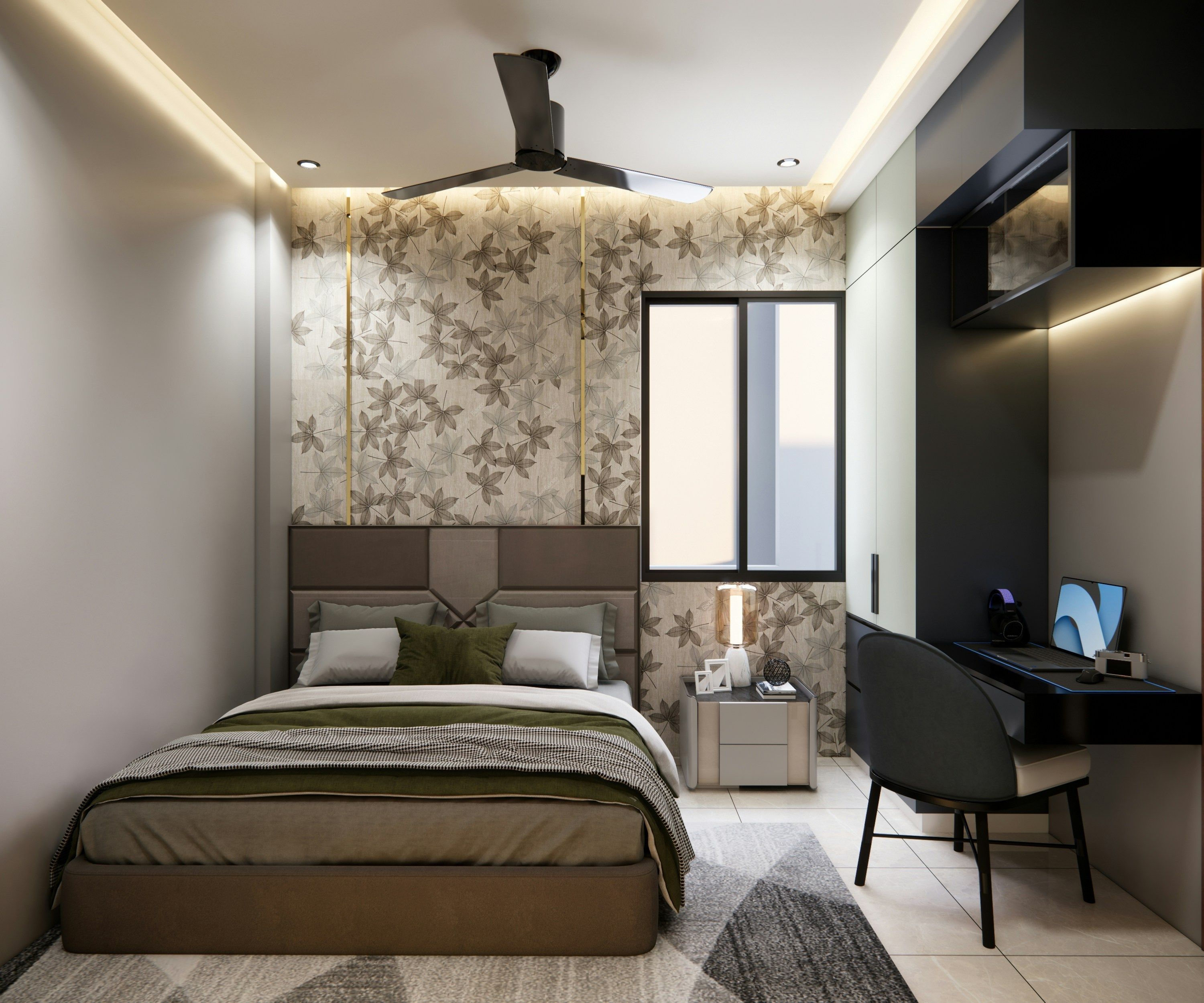
We asked 50 homeowners and renters across NYC, Calgary, Oklahoma, and Portland which part of their home was the hardest to decorate, 3 out of every 5 said it was their bedroom. When we asked them why, they said it was uncertainty; unlike the living room and other rooms, the bedroom was the one room where they were spoiled for choice and couldn’t decide where to start, what would belong (and be out of place), and how to make everything work together.
So, we contacted 15 designers on our network working across small apartments, family homes, and guest properties, and asked how they blew their clients’ minds each time. Here's the step-by-step method that was common among 65% of them.
Step 1: Define Your Bedroom Style Before You Touch a Paint Swatch

The first secret they shared was that the biggest decorating mistake is shopping before planning. You end up with pieces that don’t go together and visual chaos.
Start by identifying your aesthetic direction, it could be modern, traditional, bohemian, minimalist, rustic, or glam. Then limit yourself to two or three defining style elements maximum. If you choose modern minimalist, your three elements might be clean lines, neutral colors, and natural wood. Everything else is a no.
- For small bedrooms: Stick to one very clear aesthetic, as the visual clutter will make small bedrooms feel even smaller. For small bedrooms, Minimalist or Scandinavian styles work particularly well because they emphasize negative space.
- For guest bedrooms: Choose broadly appealing styles with neutral foundations, like modern farmhouse, coastal, or transitional. Your guests shouldn't need to understand or relate with your highly specific vintage industrial aesthetic to feel comfortable.
- For large bedrooms: You have more freedom to blend styles (for example, traditional furniture with modern art), but those zones still need visual connection through repeated colors or materials.
Create a mood board before buying anything, you can use these interior design apps for this task (we tested them for you already). Save your images to one place, look for patterns in what you're drawn to, and let those repetitions guide your direction. When you see the same colors appearing in five different saved images, you've found your palette.
Step 2: Choose A Color Scheme That Supports More Than Instagram, Choose One That Improves How You Rest

Your bedroom's color affects your sleep quality more than any other room's palette affects its function, so this decision carries a lot of weight.
While you may think calming means boring, it means more than that, it means intentional. Blues, soft greens, warm neutrals, earthy taupes, and gentle terracotta tones all promote relaxation without putting you to sleep during the day.
Use the 60-30-10 rule:
- 60% dominant color (walls or large surfaces)
- 30% secondary color (bedding, upholstered furniture)
- 10% accent color (throw pillows, art, décor)
Always test paint samples in both morning light and evening artificial light. A color that feels perfect at noon can look muddy or cold at 9 PM when you're actually using the room.
- For small bedrooms: Light colors reflect more light and make the space feel larger. It doesn’t mean you can’t use darker tones though, just consider an accent wall instead of saturating all four walls. Or, try color-drenching (painting your walls, trim, and ceiling the same shade) to blur the corners and create a cozy cocoon effect rather than making the room feel cramped.
- For guest bedrooms: Stick to soft neutrals with warm undertones (consider greiges, warm whites, gentle blues). You want colors that are universally considered calming.
- For large bedrooms: You can handle darker, moodier colors without the space feeling oppressive. Consider using different color intensities to define your zones, you can try deeper tones in the sleeping area, lighter shades in a sitting nook.
Step 3: Select Only the Furniture Your Bedroom Actually Needs.

Every bedroom needs:
- A bed and mattress (this is where you splurge, it’s important for a good rest and your back will thank you)
- One or two nightstands, depending on whether both sides of the bed are actively used
- A dresser or wardrobe for clothing storage
Optional additions to consider:
- a bench at the foot of the bed
- an accent chair
- a desk
- a vanity
Note: These should only exist if they don't compromise comfortable movement through the room.
- For small bedrooms: Multi-functional furniture is very essential. Consider storage beds with built-in drawers, dressers that double as TV stands, wall-mounted floating nightstands, and tall narrow dressers (vertical storage beats wide and low). Avoid oversized headboards that visually dominate the space, instead, go for slim frames or even wall-mounted panels.
- For guest bedrooms: Here, less is more. Consider a quality bed, one nightstand (or two if the space allows), a dresser, and a luggage bench or rack. Most guests live out of suitcases, so they don't need extensive drawer space, they may need clear horizontal surfaces for their belongings, though.
- For large bedrooms: This is where you can add comfort pieces, like a reading chair with an ottoman, a full vanity setup, a desk nook, or a bench at the foot of the bed ( remember to maintain proportion). Even large rooms can feel awkward when the furniture is too small or scattered randomly along the walls.
Before buying anything substantial, measure your room and test furniture placement digitally, interior design apps like ours (at All Things Snug) can help with this.
Step 4: Plan Your Layout For Flow and Fit

Even if you have beautiful furniture, if they are arranged poorly, it creates a bedroom that feels wrong every time you walk through it.
The baseline layout rules that interior designers use:
- Bed placement: Center it on the main focal wall (usually the wall you see when entering)
- Clearance around bed: Leave 24-36 inches on both sides for comfortable movement
- Walkway width: Maintain at least 30 inches for main paths through the room
- Nightstand position: Within arm's reach from the bed (you shouldn't have to stretch or climb to turn off a lamp)
- For small bedrooms: Consider using a corner bed placement to maximize usable floor space, use floating nightstands mounted to walls instead of freestanding tables, and keep your windows unobstructed to maximize natural light.
Something to try: Test whether pushing the bed against one wall (with access from only one side) creates more functional space than centering it.
- For guest bedrooms: Prioritize clear sight lines to the closet and bathroom, remember to always make sure there's an obvious place to set a suitcase (either a luggage rack or a clear bench). And that both nightstands (or the one nightstand) have accessible power outlets for phone charging.
- For large bedrooms: Create distinct zones using area rugs and furniture groupings. A sleeping zone (bed plus nightstands), a dressing zone (dresser plus mirror or full vanity), a sitting zone (two chairs plus a small table), or a work zone (desk plus task lighting). Each zone should feel intentional, not like furniture randomly scattered to fill space.
Step 5: Layer Lighting Instead Of Relying On One Sad Overhead Fixture

Lighting is the most overlooked element in bedroom design, and, according to the design professionals we asked, it's usually why a room feels flat or unwelcoming at night.
A properly lit bedroom uses three layers:
- Ambient lighting: Overhead fixture or ceiling fan with integrated light
- Task lighting: Bedside lamps or wall sconces for reading (aim for 60-75 watt equivalent bulbs)
- Accent lighting: Soft atmospheric sources like wall sconces, string lights, or LED strips behind a headboard
Note: Dimmer switches are worth the small investment; they let you shift from bright morning light to gentle evening ambiance instantly.
- For small bedrooms: Wall-mounted sconces free up precious nightstand surface area, and swing-arm sconces work particularly well because you can adjust them for reading without needing table lamps.
- For guest bedrooms: Make the lighting intuitive; the bedside lamps should have easily accessible switches (not the ones you have to fumble for under a lampshade), and include a nightlight in the bathroom or hallway so guests don't stumble around in unfamiliar darkness.
- For large bedrooms: Layer the lighting by zone. Use overhead ambient in the main sleeping area, task lighting at the desk or vanity, and accent lighting in a reading nook. This creates flexibility, you can have the desk lit while the sleeping area stays dim.
Step 6: Add Textiles That Make the Room Feel Finished

Textiles soften hard surfaces, absorb sound, and make bedrooms feel cohesive.
Start with quality bedding; sheets, a duvet, and supportive pillows matter more than decorative extras. Then layer in texture with a coverlet or throw blanket at the foot of the bed and two to four throw pillows for visual interest (more than four overwhelms the bed).
- Rug placement matters: Your bedroom rug should extend 18-24 inches beyond the sides and foot of your bed so your feet land on something soft when you get up.
- The Window treatments should balance sleep quality with daytime light. Blackout curtains paired with sheer panels give you flexibility throughout the day (complete darkness when needed, filtered natural light when preferred).
- For small bedrooms: Stick to solid colors or very subtle patterns to avoid visual clutter. Using one textured throw adds interest without overwhelming the space.
- For guest bedrooms: Using hotel-style crisp white bedding signals cleanliness. Keep an extra blanket folded in the closet as your guests might have different temperature preferences.
- For large bedrooms: Layer the textiles generously, you’ve got enough space. Think multiple throw blankets, varied pillow textures (linen, velvet, knit), layered window treatments, and area rugs that define different zones all add warmth without clutter.
Step 7: Personalize Your Bedroom with Décor That Still Lets the Room Breathe

- Any wall art above the bed should span roughly two-thirds the width of your headboard for proper scale. One large piece or a grouping of smaller frames both work, just match the overall width to your bed size.
- Plants add life and improve air quality. Snake plants and pothos thrive in low light, making them ideal for bedrooms without abundant natural light.
- Mirrors reflect light and visually expand space, which is especially valuable in smaller rooms. A full-length mirror serves is great for getting dressed and also bounces light around.
Use trays, baskets, and decorative boxes to keep your surfaces organized while still displaying meaningful items like books, photos, small collections.
- For small bedrooms: Edit aggressively. Keep one statement piece of art, one plant, one decorative object per surface. Less is actually more when your space is tight.
- For guest bedrooms: Keep the personal items minimal; leave a reading lamp, water carafe, universal charging cable, and perhaps a small plant to create a welcome feeling without cluttering the space. Skip family photos and highly personal collections.
- For large bedrooms: You have enough room (again) for curated collections, gallery walls, multiple plants, and meaningful objects, so just group them intentionally rather than scattering them randomly.

Common Bedroom Decorating Mistakes That Cost Time And Money
- Buying furniture before measuring your room and doorways
- Ignoring lighting layers and relying solely on overhead fixtures
- Choosing a rug that's too small for your bed size
- Overloading surfaces with décor instead of leaving breathing room
- Following trends that don't match how you actually live
- Skipping the planning phase and shopping impulsively
If you're looking for broader room transformation guidance, our guide on planning room makeovers walks through decorating every space in your home. And if you're debating which design tools actually help with layout planning, our interior design apps comparison breaks down which platforms deliver real value.
Frequently Asked Questions
What should I do first when decorating a bedroom?
Define your style direction and color scheme before shopping for anything. Those two decisions guide every other choice and prevent impulse purchases you'll regret.
How do I make a small bedroom feel larger without major renovations?
Use light colors on walls, keep the furniture proportional to the space, add a large mirror to reflect light, and maintain clear floor space by using wall-mounted storage where possible.
Do I really need two nightstands?
Only if you actively use both sides of the bed and you have the space.
What's the ideal bedroom lighting setup?
Three layers: ambient overhead lighting (ideally on a dimmer), task lighting for reading (bedside lamps or wall sconces), and optional accent lighting for atmosphere (string lights, picture lights, or LED strips). You can also do two layers (dropping the accents)
Can I decorate my bedroom without buying new furniture?
Yes, you can. Rearranging your layout, updating bedding and window treatments, improving lighting, and editing décor often make a bigger visual impact than new furniture purchases.
How do I choose the right rug size for my bedroom?
The rug should extend 18-24 inches beyond the sides and foot of your bed. For a queen bed, that typically means an 8×10 or 9×12 rug. For a king bed, aim for 9×12 or larger.
What makes a guest bedroom feel welcoming?
Fresh bedding, accessible charging ports, intuitive lighting, clear closet and drawer space, blackout window treatments for sleep quality, and a clear surface for personal belongings.
How do I create zones in a large bedroom without making it feel chopped up?
Use area rugs to define each zone (sleeping, sitting, dressing), maintain visual connection through repeated colors or materials, and ensure your furniture groupings feel intentional.



Saviour Udoh
Founder, Experienced Home Decor Enthusiast
Saviour Udoh has been hands-on with DIY home projects since his teens and later founded All Things Snug to close the gap between inspiration and execution. He writes about practical design decisions that prevent overspending, layout mistakes, and regret-filled purchases.
