


Monday, Oct 20, 2025
Best Kitchen Countertop Materials
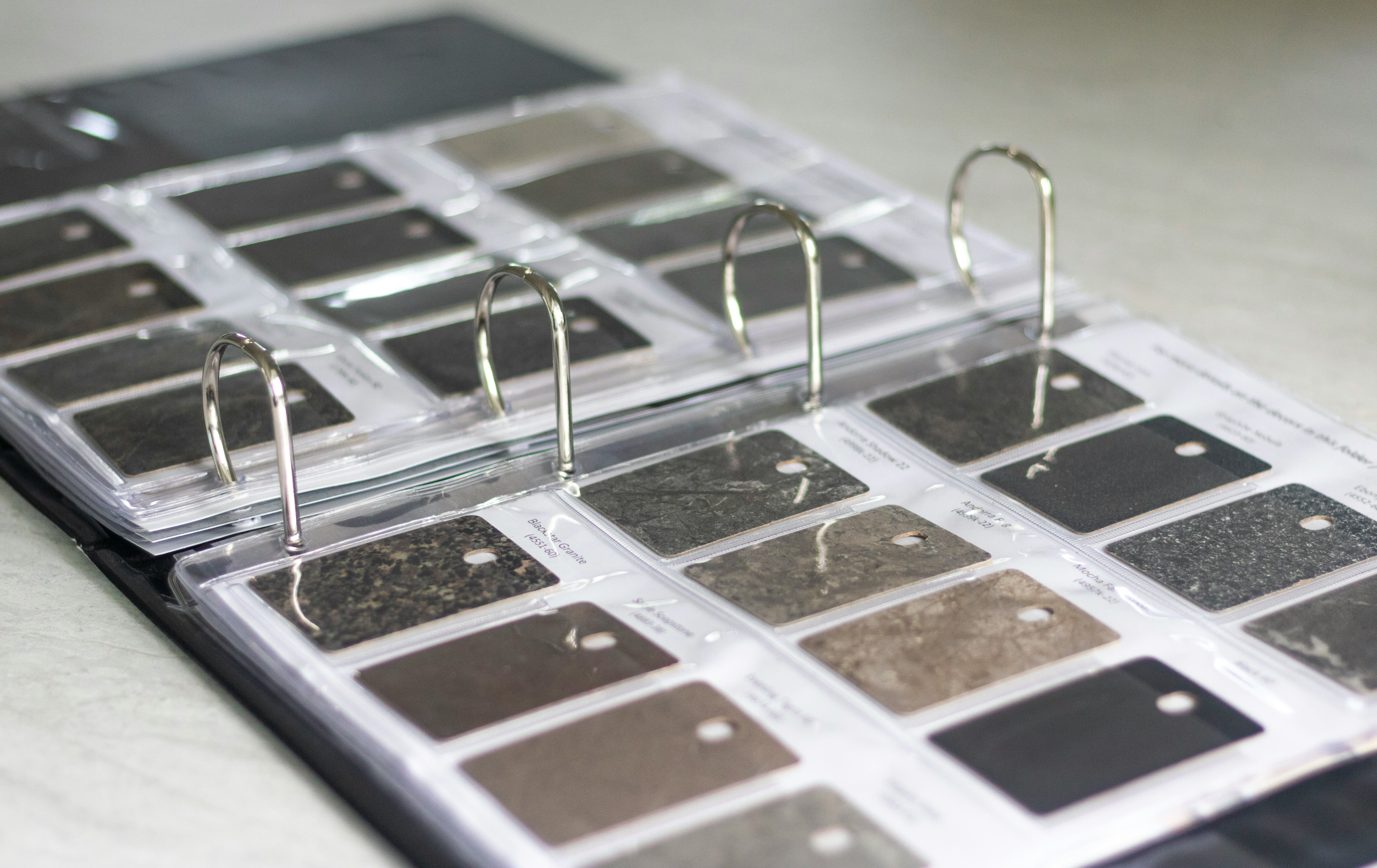
You're standing in a showroom holding samples of three different materials, and they all look beautiful under these lights. The salesperson just told you quartz is "virtually indestructible," granite is "timeless," and marble is "elegant", but none of that helps you figure out which one won't drive you crazy when you're dealing with Tuesday night spaghetti sauce or Saturday morning pancake batter.
The best kitchen countertop material exists as the specific material that matches your cooking habits, your maintenance tolerance, and your actual daily life.
The Definitive Material Comparison
Here are 5 of the best kitchen countertop materials and how they perform:
| Material | Cost (Installed) | Heat Resistance | Stain Resistance | Scratch Resistance | Maintenance Reality | Best For |
|---|---|---|---|---|---|---|
| Quartz | ~$60-120/sq ft | Good (use trivets) | Excellent (non-porous) | Excellent | Soap and water only | Busy families, stain-phobic homeowners |
| Granite | ~$50-100/sq ft | Excellent (hot pans fine) | Good (needs sealing) | Excellent | Annual sealing, 15 minutes | High-heat cooks, natural stone lovers |
| Butcher Block | ~$35-100/sq ft | Poor (scorches easily) | Fair (absorbs liquids) | Poor (designed for cutting) | Monthly oiling required | Warm aesthetic seekers, baking zones |
| Solid Surface | ~$40-80/sq ft | Fair (can melt) | Excellent (non-porous) | Fair (scratches buff out) | Soap and water, occasional buffing | Budget-conscious, seamless look fans |
| Laminate | ~$10-40/sq ft | Poor (melts/scorches) | Good (non-porous) | Fair (permanent scratches) | Soap and water only | Tight budgets, rental properties |
| Marble | ~$60-150/sq ft | Good | Poor (stains and etches) | Poor (scratches easily) | Weekly sealing, constant vigilance | Pastry stations, aesthetic-driven choices |
Costs represent typical U.S. markets, including installation; regional variations apply
Match The Countertop Material to Your Cooking

If You Cook with High Heat Daily
Choose Granite. It's a natural stone that’s formed under extreme heat and pressure; your hot cast-iron skillet won't damage it. Cassandra Thurston describes granite as "nature's art" with "amazing patterns, full of swirls, veins, and flecks." That uniqueness comes with one trade-off, though: you'll need to seal it annually to prevent oil and wine stains from penetrating the porous stone.
If You Have Young Kids or Entertain Constantly
Choose Quartz. Gabriela Eisenhart explains that it's "highly resistant to stains" because it's non-porous, meaning juice spills, wine rings, and turmeric splatters sit on the surface instead of sinking in. You can wipe them up whenever you get around to it, hours later if necessary.
The limitation is that quartz contains resin binders that can scorch if you place extremely hot pans directly on the surface. Keep a trivet handy for anything over 300°F, and you'll be fine.
If You Want Warmth and Natural Texture
Choose Butcher Block. Butcher block creates a natural, warm, and rustic appearance with visible wood grain that adds organic texture (Amy Switzer). Some common woods include maple, walnut, oak, and cherry, ranging from light blonde to deep brown.
BUT: Butcher block requires monthly oiling to prevent water damage and splitting. It scratches easily (although that's part of its charm; it develops character), and you'll need to sand and refinish it every few years.
If You Want Zero Maintenance
Choose Quartz or Solid Surface. Both are non-porous and clean with soap and water. That's it. Quartz doesn't require regular sealing because it's non-porous. Solid surface (brands like Corian) offers the same ease with one bonus, that minor scratches buff out with fine sandpaper, so surface damage isn't permanent.
Our Budget-Smart Recommendations

- Under ~$2,000 total (standard 30 sq ft kitchen): Go for modern laminate or basic tile. Today's high-pressure laminates convincingly mimic stone and wood at a fraction of the cost.
- ~$2,000-4,000 total: Solid surface or a hybrid approach, like a butcher block island with laminate perimeter. This gives you premium material where it matters most without consuming your entire budget.
- ~$4,000-7,000 total: Opt for quality quartz or mid-range granite. This range delivers long-term value and durability. You're investing in a surface that should last 20+ years with minimal maintenance. We advise going for this in your own home, not a rental.
- ~$7,000+ total: Try premium quartz with complex veining or exotic granite/marble slabs. You're paying for unique aesthetics and rarity. These materials perform similarly to their mid-range counterparts, and the premium is entirely visual.
How to Match Decor Styles with Kitchen Countertops

- Modern/Minimalist: Go for Solid-color quartz, polished concrete, or large-format porcelain slabs. The clean lines and consistent surfaces reinforce the aesthetic.
- Traditional: You’d want natural granite with classic edge details or marble-look quartz. The veining and natural variation feel timeless.
- Farmhouse: The classic butcher block (especially on islands), honed granite with matte finish, or soapstone is your best bet. These materials bring warmth and tactile texture.
- Transitional: Opt for neutral quartz with subtle veining or light-colored granite. These bridge modern and traditional without committing fully to either.
With All Things Snug's mood board feature, you can compare countertop materials against your cabinet colors and flooring in one view, helping you achieve a cohesive design before you order anything.
What You Might Not Like About Various Kitchen Countertop Materials

- Solid Surface Scratches: People love the seamless look but get frustrated when dragging ceramic mugs or sliding serving platters leaves visible marks.
The fix: A few minutes with fine sandpaper buffs them out, but if you're not willing to occasionally buff scratches, then choose a harder surface. - Quartz Burn Marks: This is the most common, expensive mistake. Homeowners assume "engineered stone" means indestructible, then place a 500°F sheet pan directly on their beautiful white quartz. The resin binders scorch, leaving permanent, cloudy marks. Always use trivets on quartz; it's not granite.
- Granite Oil Stains: When you forget the annual sealing and cooking oil sits near the stove too long, it seeps into the porous stone and leaves dark spots. Set a calendar reminder every April to reseal. The job takes 15 minutes; wipe on the sealer, wait 10 minutes, wipe off excess.
- Butcher Block Water Damage: Near sinks, inadequate sealing lets water penetrate the wood, causing swelling and splitting. If you choose butcher block, maintain the seal religiously around wet areas or use a different material for that section.
- Marble Stain Reality: Samantha Bailey from Samantha Kate Interior Design in Austin advises that marble requires weekly sealing and warns homeowners to "wipe away acid, wine, and juice right away to avoid permanent water spots, stains, and etching." Most people underestimate this commitment. If you're not genuinely excited about weekly maintenance, choose marble-look quartz instead.
Real-World Performance of the Different Materials

- Heat Tolerance: Granite and porcelain handle hot pans directly. Quartz tolerates moderate heat but needs trivets for anything extremely hot. Laminate, solid surface, and butcher block scorch or melt; protect them consistently.
- Scratch Visibility: Quartz and granite resist scratches well. Solid surface scratches but buffs out. Laminate scratches permanently. Butcher block scratches intentionally; it's a working surface that develops character.
- Stain Management: Quartz, laminate, and solid surface are non-porous and virtually stain-proof. Granite resists stains when properly sealed, marble and butcher block stain easily and require constant vigilance.
- Water Resistance Near Sinks: Quartz and solid surface handle constant water exposure flawlessly. Granite manages well when sealed, but butcher block needs extra protection (consider using granite or quartz in the sink zone, even if you use butcher block elsewhere).
Just in case You’re Thinking of Installing Them
- DIY-Friendly: Laminate and tile are possible DIY projects if you're handy, and butcher block is manageable if you're comfortable with woodworking.
- Professional-Only: Quartz, granite, and porcelain require professional fabrication and installation. These materials are extremely heavy, need precise cutting, and require specialized equipment; you risk expensive material waste and safety hazards attempting to DIY them.
- Labor Costs: Installation typically represents 40-50% of your total countertop investment. A $3,000 quartz material cost often means $5,500-6,500 total after professional installation.
Common Mistakes People Make When Purchasing Countertop Materials

- Choosing from small samples only: Veining and patterns look dramatically different on full slabs. Always view the actual slab you're purchasing before fabrication, especially with natural stone where every piece is unique.
- Ignoring your actual cooking habits: If you cook daily with high heat, don't choose materials that scorch. If you rarely cook, don't overpay for performance you won't use.
- Falling for trends: That bold marble-look quartz with dramatic veining might date faster than subtle patterns. Neutral materials age better.
- Forgetting maintenance requirements: Be honest about whether you'll actually seal granite annually or oil butcher block monthly. If the answer is "probably not," choose a different material.
Use This Quick Decision Framework to Choose Faster

- Choose quartz if you want durability with zero maintenance and can remember to use trivets.
- Choose granite if you cook with high heat constantly and don't mind annual sealing.
- Choose butcher block if you love natural warmth and enjoy the maintenance ritual.
- Choose solid surface if you want seamless modern aesthetics on a mid-range budget.
- Choose laminate if you need to maximize value or you're in a rental property.
Did you enjoy this read? Then you’ll love this guide on kitchen finishes and materials.


