


Monday, Dec 8, 2025
5 Special Christmas Tree Themes That Went Viral This Year
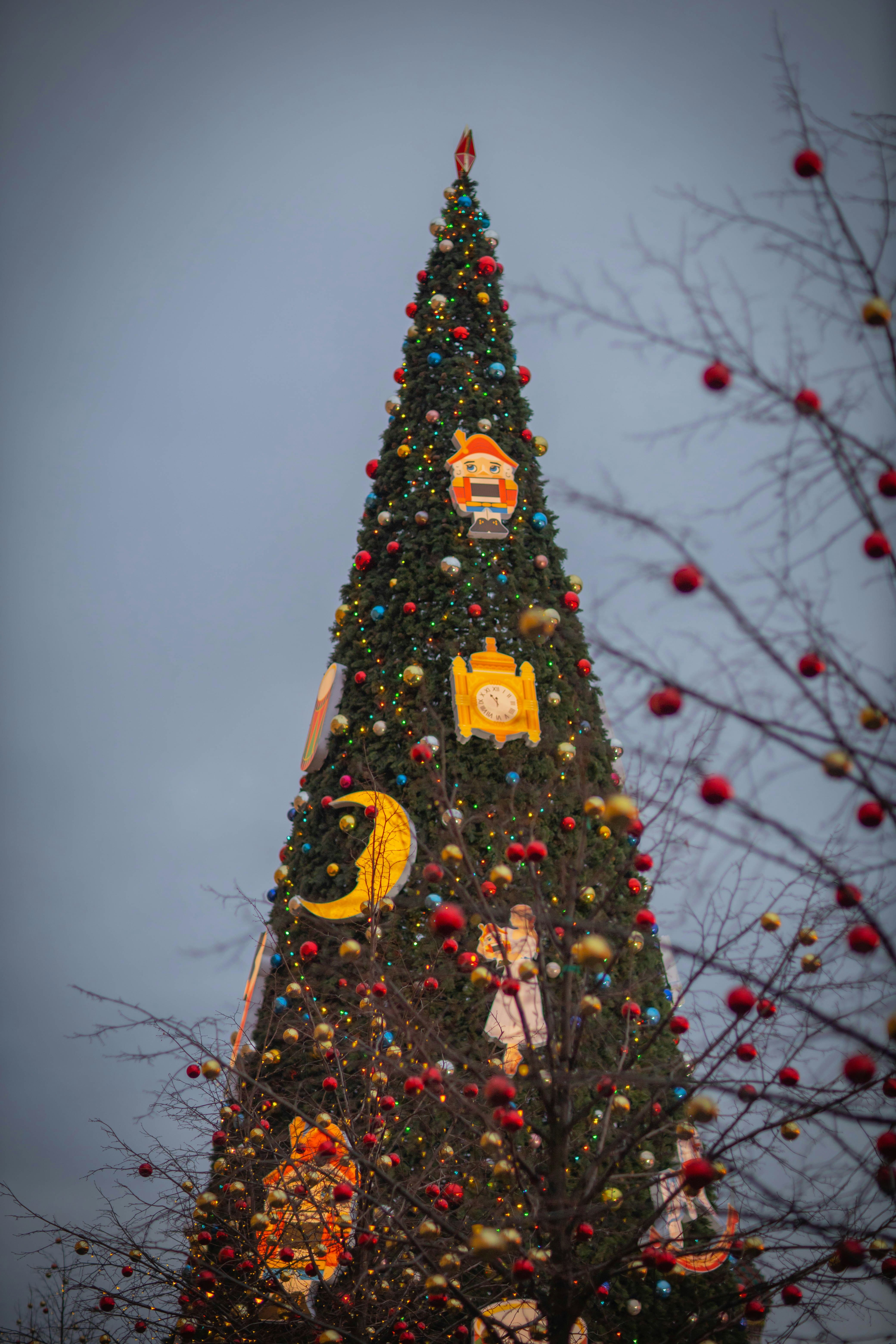
Christmas trees dominating social feeds this year tell actual stories, think complete narratives built around beloved characters, childhood memories, and experiences people genuinely love. It’s no more just about color schemes, but immersive themes that transform your tree into a conversation piece.
These 6 Christmas tree themes are the talk of the continent this year. Each one embraces a specific storyline so fully that the tree stops being mere decoration and becomes something memorable. If you're looking for broader aesthetic inspiration like minimalist elegance or rustic warmth, check out our main Christmas Tree Ideas guide first. But if you want your tree to tell a story this year, this is where you’ll want to be.
The Candy Shop Tree

The Story: Walking into a retro candy store where everything sparkles, nothing matches perfectly, and joy lives in every oversized lollipop.
Pink Christmas trees specifically went viral this year, with HomeGoods' version causing such a stir that shoppers called it a "Candy Land" find. The aesthetic works because it taps into pure childhood nostalgia (that feeling of pressing your face against candy shop windows).
What Makes It Work: Scale contrast creates the magic here. Giant polymer clay lollipops next to tiny gumball ornaments create visual rhythm. Stick to pink, mint green, white, and classic red stripes as more colors turn whimsy into clutter.
What You’ll Need:
- Oversized lollipops
- Peppermint swirls
- Cotton candy picks
- Gingerbread figures
- Gumball decorations
Who This Fits: Families with young children, nostalgic millennials, playful personalities who want Christmas to feel fun instead of formal
Tip: Limit yourself to 3-4 candy colors maximum and vary ornament sizes dramatically for dimensional interest
The Grinch Tree

The Story: Celebrating the "grumpy but lovable" holiday spirit.
The Grinch theme exploded again in 2025, with a viral Dallas mansion switching to full Grinch decorations that drew thousands of visitors (read about it on Fox News). This theme works because it allows you to be imperfect and playful during a season that often feels pressured.
What Makes It Work: The tree isn't symmetrical, and that's precisely the point. Asymmetric ribbon placement and intentionally messy arrangement sell the character (perfection would kill the joke entirely).
You’ll Need:
- Lime green everything
- Grinch ornaments
- Max the dog decorations
- Striped ribbons
- "Merry Grinchmas" signs
Who This Fits: Dr. Seuss fans, families with humor, anyone tired of taking Christmas too seriously
Tip: Leave intentional gaps in your decorating and drape ribbon asymmetrically, allow things to be a little chaotic… it’s part of Grinch’s vibe ;)
The Barbie Dreamhouse Tree

The Story: Pure Barbiecore fantasy where hot pink, sparkle, and maximalist femininity reign supreme.
Following Barbie's 2024 cultural moment, this theme cemented itself as a modern classic for 2025. Designer Amy Lawdanski of K&A Designs fully commits with "a surge of glitter, feathers, bows, ribbons and nearly every shade of pink," proving that more is absolutely more here.
What Makes It Work:
- Layering different pink tones prevents flatness.
- Bubblegum pink next to fuchsia next to blush creates dimensional richness.
- Add mirrored or metallic ornaments to bounce light and you've captured Dreamhouse magic.
What You’ll Need:
- Hot pink baubles in varying shades
- Blonde hair bows
- Miniature heels
- "Barbie" script ornaments
- Champagne gold accents
Who This Fits: Barbiecore enthusiasts, bold color lovers, anyone celebrating femininity joyfully and unapologetically
Tip: Use at least three distinct pink shades and add reflective surfaces everywhere (think gloss, mirrors, metallics) to create depth through light
The Disney Magic Tree

The Story: A love letter to Disney worlds, either focused on one beloved film or spanning the entire universe of characters.
Disney-themed trees remain consistently popular because they celebrate shared family memories. The trick is deciding: do you commit to one movie's aesthetic (Frozen's icy blues, Encanto's vibrant warmth) or create a cohesive Disney showcase?
What Makes It Work: A unified color story keeps character variety from looking chaotic. Even if Mickey and Elsa share your tree, a consistent background color (gold, silver, or cream) ties everything together visually.
Essential Elements:
- Character ornaments
- Castle toppers
- Film-specific color palettes
- Subtle story nods that spark recognition
Who This Fits: Disney adults, families with dedicated fandoms, nostalgia seekers wanting to honor childhood magic
Tip: Pick one dominant background color so different characters don't fight visually, let that neutral base unify your Disney theme
The Nutcracker Ballet Tree

The Story: A Classic Christmas elegance inspired by the ballet. It stays formal, magical, and timelessly noble.
This theme works for those wanting refined holiday style with clear narrative direction. It's structured where the Grinch is chaotic, and elegant where Candy Shop is playful.
What Makes It Work:
- Height variation creates theatrical drama.
- Nutcrackers placed at different levels throughout the tree add the illusion of soldiers standing guard.
- Soft tulle ribbon balances the structured figurines with graceful movement.
You’ll Need:
- Nutcracker figurines
- Ballet slipper ornaments
- Toy soldiers
- Crowns
- Tulle or velvet ribbon
Who This Fits: Ballet families, traditionalists wanting refinement, anyone craving old-world Christmas charm
Tip: Group nutcrackers at varying heights and use delicate tulle ribbon to soften the military precision of the toy soldiers
Choosing Your Story
If you're torn between themes, ask yourself these questions:
- Does this theme reflect something we genuinely love?
- Will it still feel fun after the first week, or just gimmicky?
- Can I do it using what I already own plus some additions?
- Does this story feel ours, or am I just chasing a trend?
Frequently Asked Questions
Do themed trees feel too childish for adult homes?
Only if executed half-heartedly. Full commitment to a narrative makes it feel intentional and sophisticated. The Nutcracker and Storybook themes prove elegant themes exist within narrative decorating.
Can I incorporate sentimental family ornaments into a themed tree?
Absolutely. Let them act as "character cameos". Place them deeper in the tree where your family can see them, but they don't disrupt the front-facing story.
Should all my trees follow the same theme?
Not necessarily. Many homes use one narrative tree in the main living space and keep bedroom or office trees more neutral or traditionally decorated.
Are themed trees more expensive than traditional decorating?
They don't have to be. A clear theme actually prevents impulse purchases because you know exactly what fits your theme. Focus budget on 3-4 hero pieces that establish the narrative, then fill with simple coordinating ornaments.
How do I prevent my themed tree from looking like a store display?
Leave strategic negative space and layer some personal items intentionally. The difference between "themed" and "costume" is breathing room and authentic personal touches mixed in.
P.S. If you don’t want to stick to themes, then you can read these Christmas tree ideas.



Saviour Udoh
Founder, Experienced Home Decor Enthusiast
Saviour Udoh has been hands-on with DIY home projects since his teens and later founded All Things Snug to close the gap between inspiration and execution. He writes about practical design decisions that prevent overspending, layout mistakes, and regret-filled purchases.
